Can I Mix Different Flooring Types in One Room?
AmArtePlus Flooring & Remodeling
AmArtePlus Flooring & Remodeling Guide
You've fallen in love with the warmth of hardwood but can't stop thinking about how practical tile would be near your kitchen sink. The good news is that mixing flooring types isn't just acceptable in 2026, it's become one of the most sought after design techniques in modern homes.
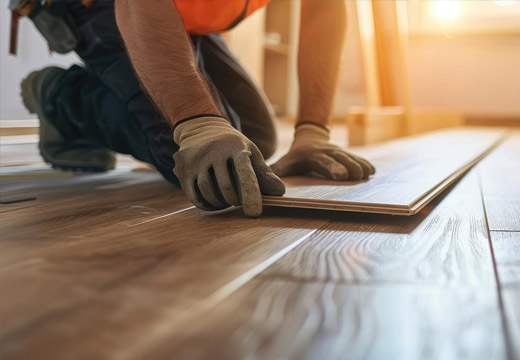
Whether you're renovating an open concept living space or simply want to define zones within a larger room, combining flooring materials can create visual interest that single flooring installations simply cannot achieve. This guide will walk you through everything our Sacramento clients ask about mixing tile, hardwood, and LVP in transitional spaces.
Why Homeowners Are Embracing Mixed Flooring in 2026
The days of matching everything perfectly are behind us. Today's homeowners want spaces that feel curated and intentional, with each zone serving a specific purpose while contributing to the overall aesthetic of their home.
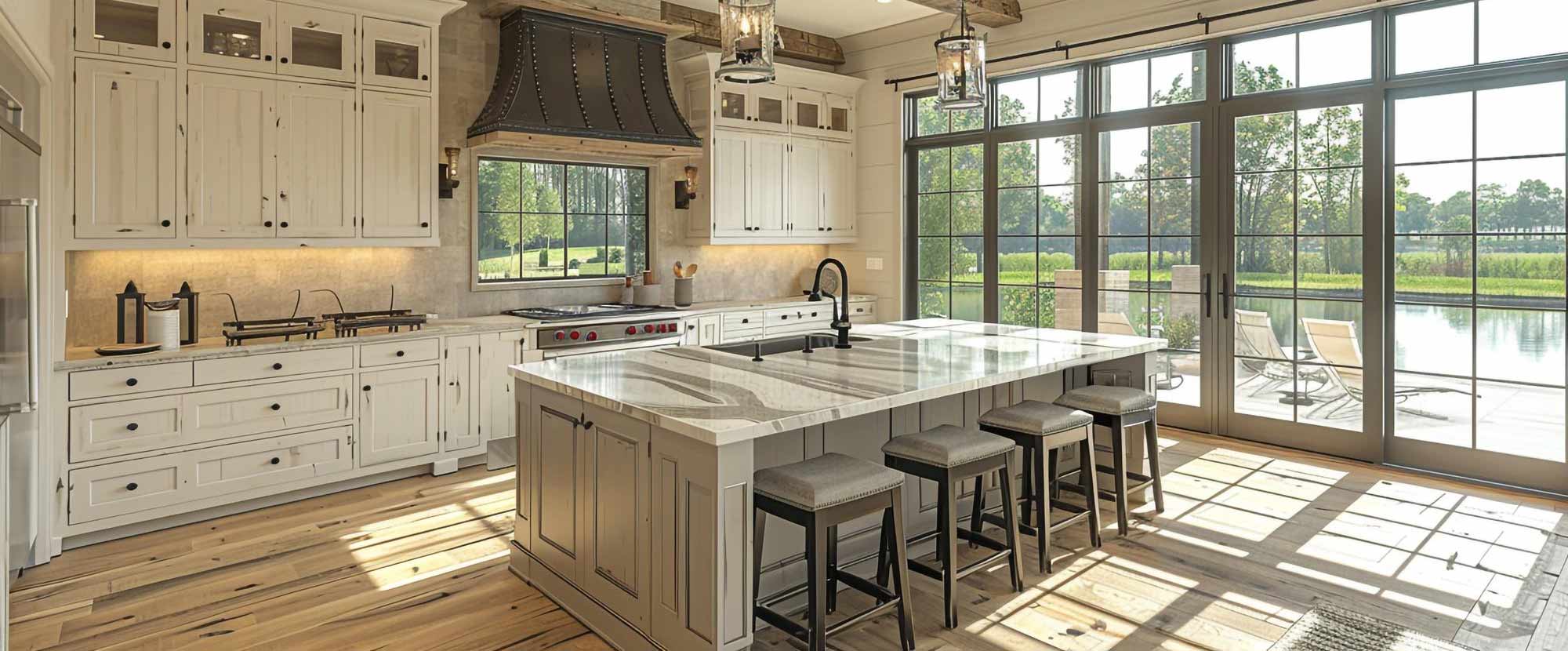
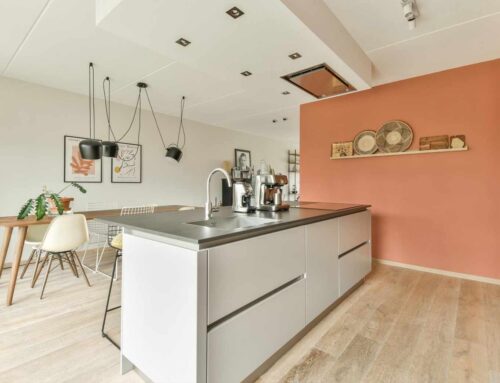
Mixed flooring allows you to enjoy the benefits of different materials exactly where you need them most. Imagine waterproof tile in your cooking area seamlessly transitioning to warm hardwood in your dining space, all within the same open floor plan.
Define Functional Zones
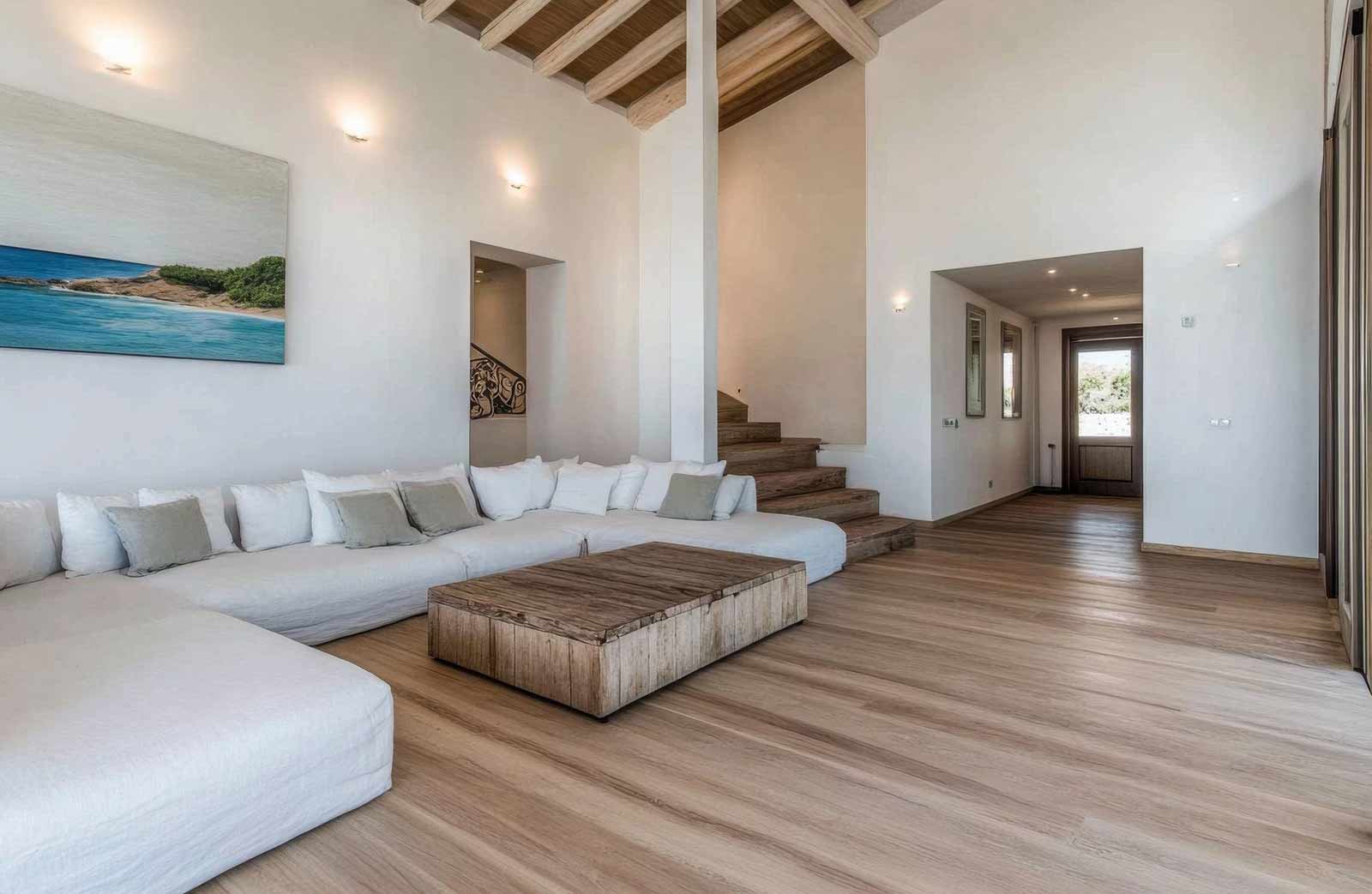
Different flooring materials naturally create visual boundaries between spaces. This technique works beautifully in open concept homes where you want to separate the kitchen from the living room without adding walls.
Maximize Material Benefits
Each flooring type has unique strengths that shine in specific applications. By mixing materials, you get waterproof durability where you need it and cozy warmth where you want it.
Create Visual Interest
A well executed flooring transition becomes a design feature rather than a compromise. The contrast between materials adds depth and sophistication to your space.
Your Mixed Flooring Success Checklist
- Consider the height difference between your chosen materials before purchasing
- Choose a unifying color palette that connects both flooring types
- Plan transition locations at natural breaking points like doorways or architectural features
- Select transition strips that complement rather than distract from your flooring
- Account for expansion gaps required by each material type
- Ensure subfloor preparation meets requirements for both flooring types
- Test samples of both materials together in your actual lighting conditions
- Verify that your chosen combination works with your home's existing trim and cabinetry
- Consider traffic patterns when deciding where transitions should occur
- Consult with a flooring professional about long term maintenance for each material
Note: The most successful mixed flooring installations share one thing in common: they look intentional rather than accidental. Always plan your transitions around architectural features or natural room divisions to achieve that designer look.
Ready to Transform Your Space?
Our flooring experts can help you design the perfect mixed flooring layout for your home. Schedule a free consultation to explore your options.
(279) 800-4666Frequently Asked Questions About Mixed Flooring

Hi, we’re AmArtePlus Flooring & Remodeling
Hi, we are AmArtePlus. A growing family-owned construction business focused on quality, trust, and clean results. Contact us today. We’ll visit your project, go over the best options, and provide a clear, honest estimate.