Why Black Walnut Floors Fade Near West Windows
AmArtePlus Flooring & Remodeling
AmArtePlus Flooring & Remodeling Guide
Your stunning black walnut floors looked flawless when they were installed, but now you're noticing something troubling near those gorgeous west-facing windows. The rich chocolate tones are washing out, and some planks seem to be lifting at the edges. You're not imagining things, and you're definitely not alone in Lincoln.
West-facing windows in Lincoln homes create a perfect storm of intense afternoon sunlight and radiant heat that can wreak havoc on black walnut flooring. The good news is that understanding why this happens opens the door to effective solutions that protect your investment without forcing you to live in darkness.
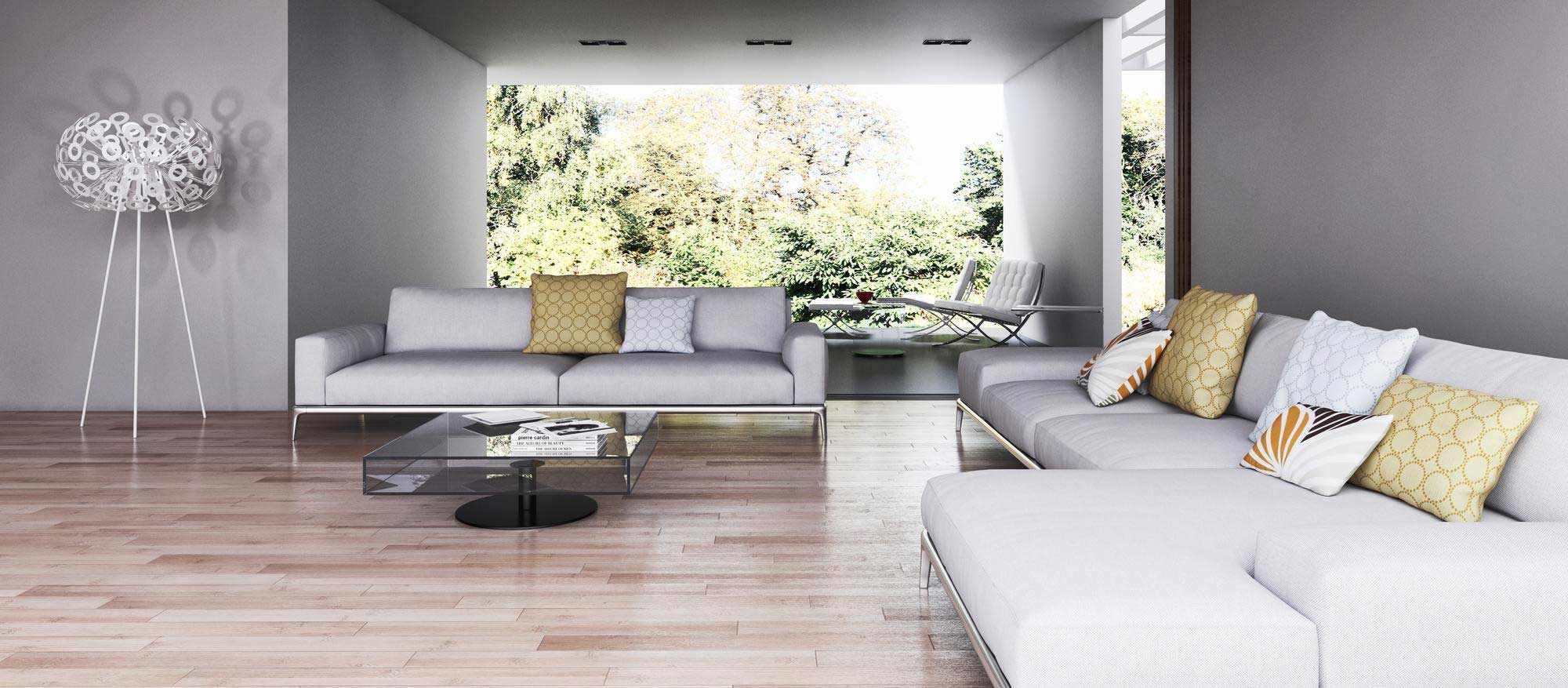
Understanding the Science Behind Walnut Fading
Black walnut is one of the most photosensitive hardwoods available, which means it reacts dramatically to UV exposure and heat. When afternoon sun streams through west-facing windows during Lincoln's warm months, your floors absorb both visible light and ultraviolet radiation that breaks down the wood's natural pigments. This process accelerates significantly when combined with the radiant heat that builds up between 2 PM and sunset.
The fading you see is actually a chemical transformation happening at the cellular level of the wood. Lignin, the compound that gives walnut its deep brown color, oxidizes when exposed to UV light and degrades faster under heat stress. Lincoln's position in the Sacramento Valley means summer temperatures regularly push into the triple digits, intensifying this effect through your windows.
UV Degradation
Ultraviolet rays penetrate standard window glass and attack the lignin in black walnut. This causes the signature chocolate color to shift toward a washed-out honey tone within months of installation.
Heat Cupping
Radiant heat from west windows creates moisture imbalances in walnut planks. The top surface dries faster than the bottom, causing edges to curl upward in a cupping pattern.
Seasonal Cycling
Lincoln's dramatic temperature swings between summer and winter stress walnut floors repeatedly. Each cycle of expansion and contraction can worsen existing damage near windows.
Your Floor Protection Checklist for Lincoln Homes
- Install UV-blocking window film rated at 99% UV rejection on all west-facing windows
- Apply high-quality polyurethane finish with UV inhibitors every 3 to 5 years
- Use area rugs in high-exposure zones but rotate them monthly to prevent tan lines
- Install cellular shades or solar screens that can be lowered during peak afternoon hours
- Monitor indoor humidity levels and maintain 35 to 55 percent year-round
- Rearrange furniture seasonally to distribute sun exposure across different floor sections
- Consider exterior awnings or pergolas to shade west-facing windows
- Schedule professional floor assessments before and after summer months
- Clean floors with pH-neutral products that won't strip protective finishes
- Document floor condition with dated photos to track changes over time
Note: Addressing fading and cupping early can save you thousands compared to full floor replacement. Most Lincoln homeowners who catch these issues within the first year can restore their floors with refinishing alone.
Protect Your Walnut Floor Investment
Our Sacramento flooring specialists understand Lincoln's unique climate challenges and can assess your floors for sun damage before it becomes irreversible. Schedule your free consultation today.
(279) 800-4666Common Questions About Walnut Floor Fading

Hi, we’re AmArtePlus Flooring & Remodeling
Hi, we are AmArtePlus. A growing family-owned construction business focused on quality, trust, and clean results. Contact us today. We’ll visit your project, go over the best options, and provide a clear, honest estimate.