French Oak Floors: What Actually Holds Up and What Falls Apart
AmArtePlus Flooring & Remodeling
AmArtePlus Flooring & Remodeling Guide
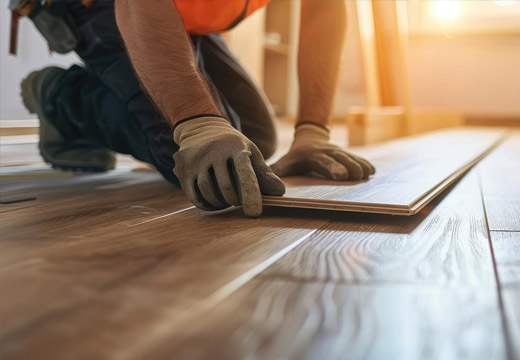
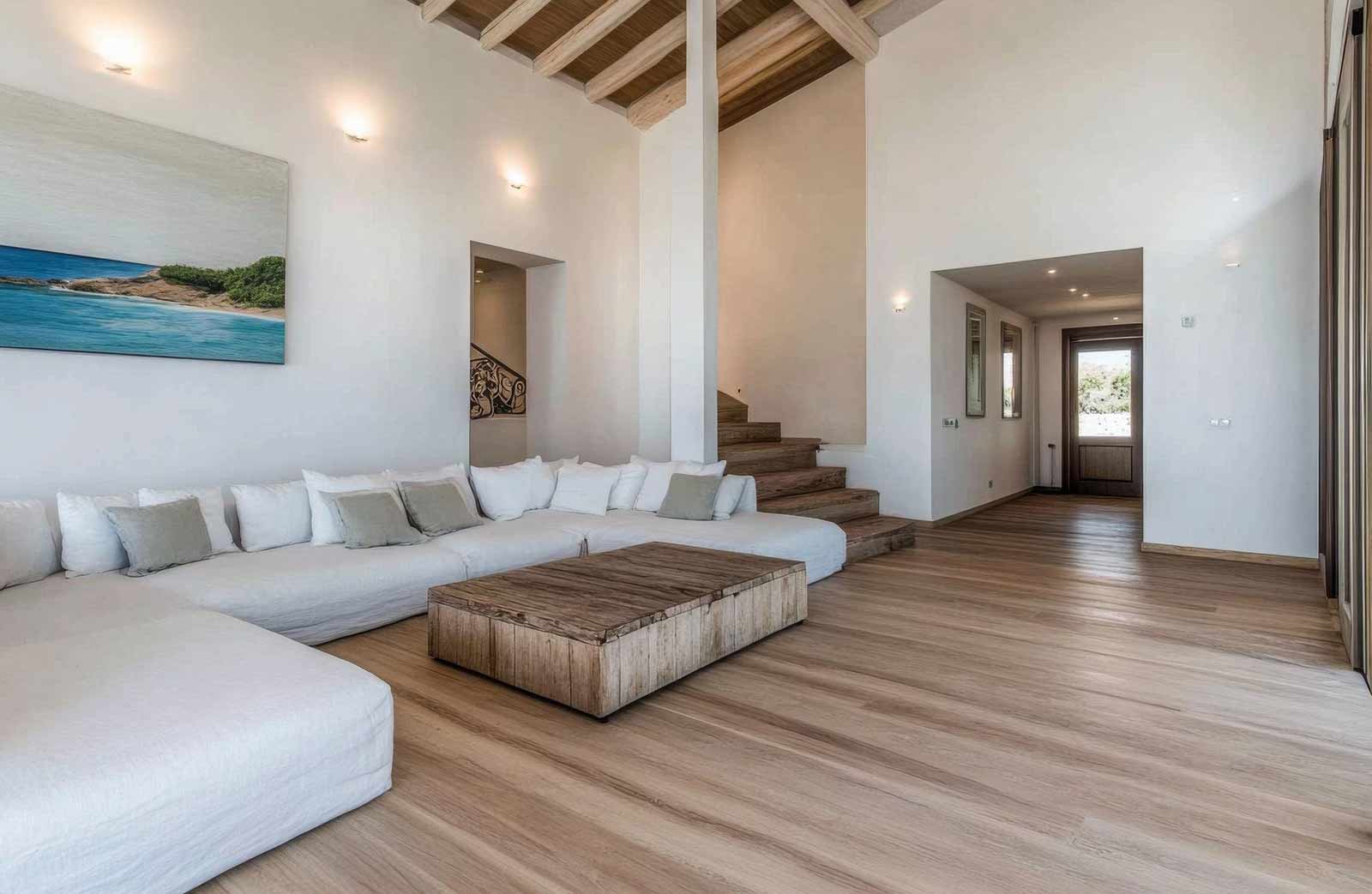
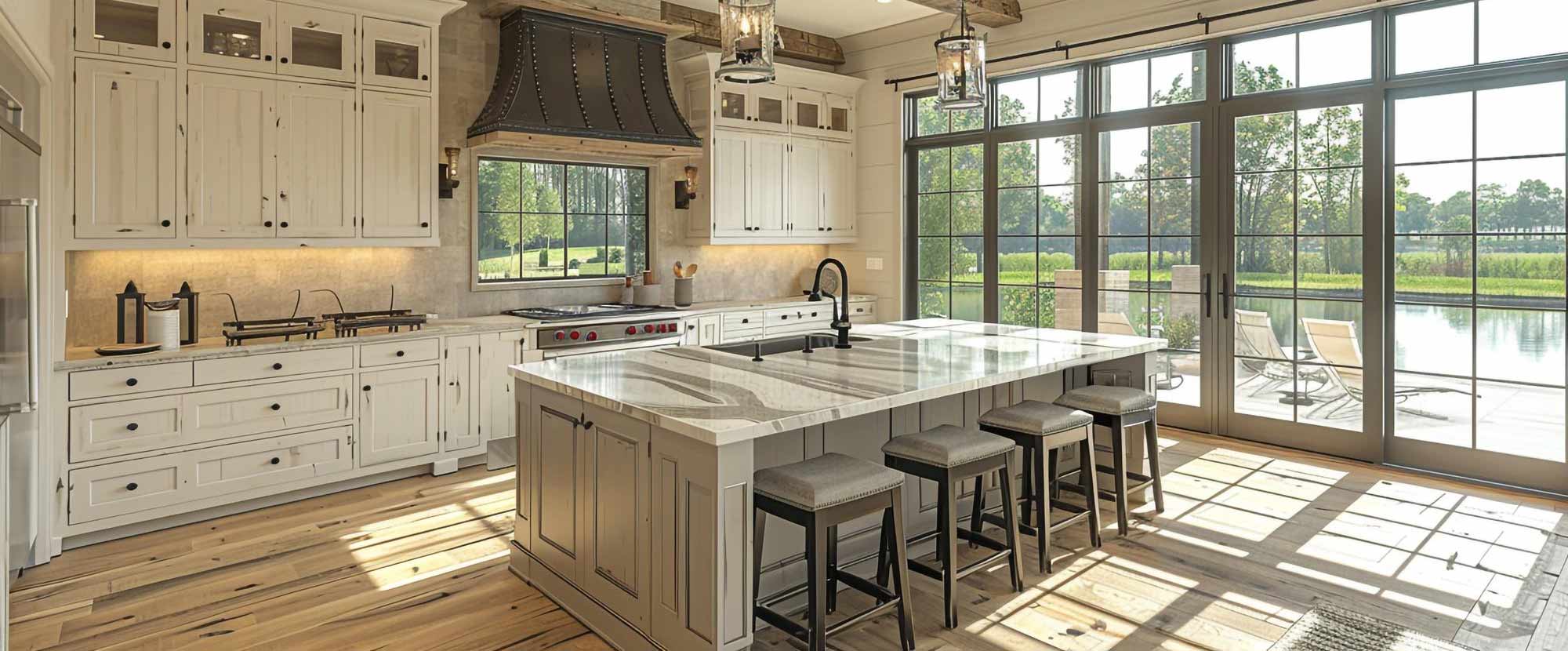
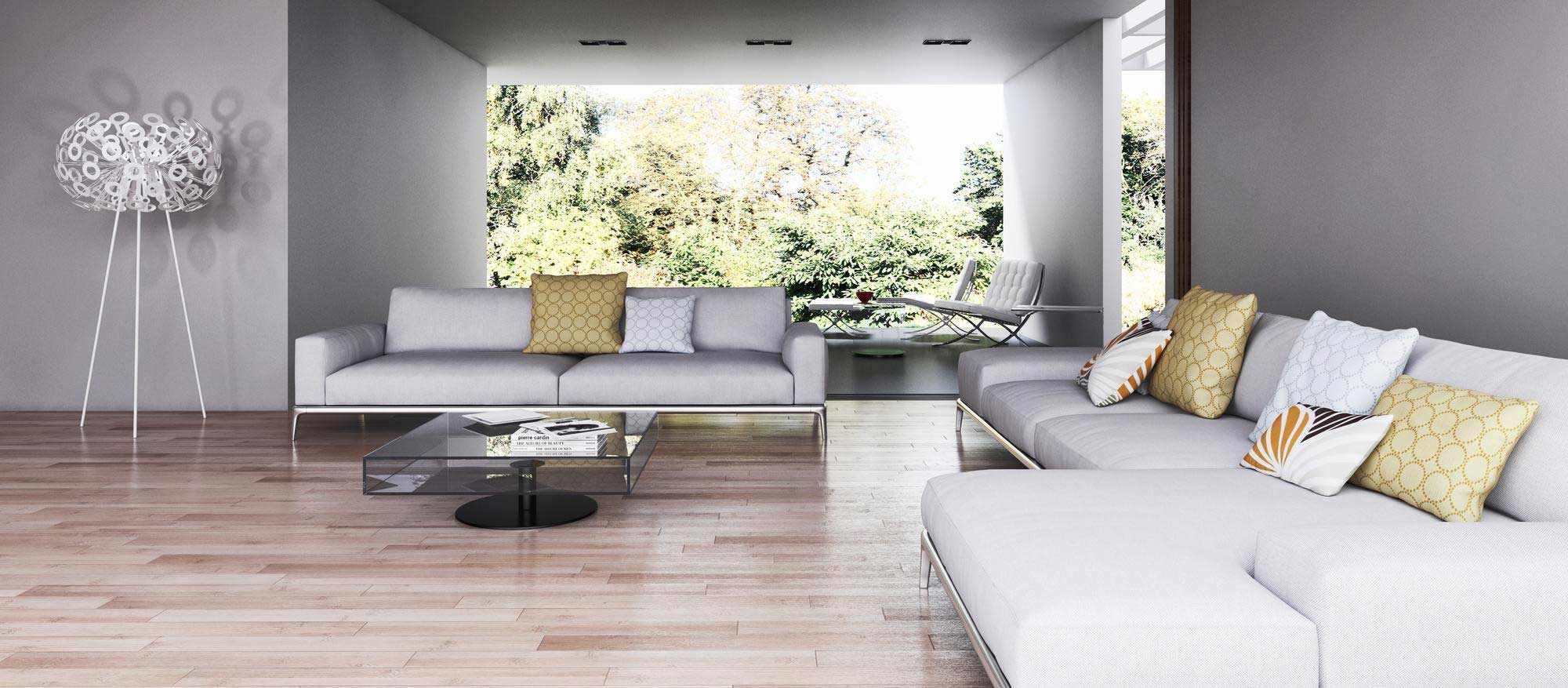
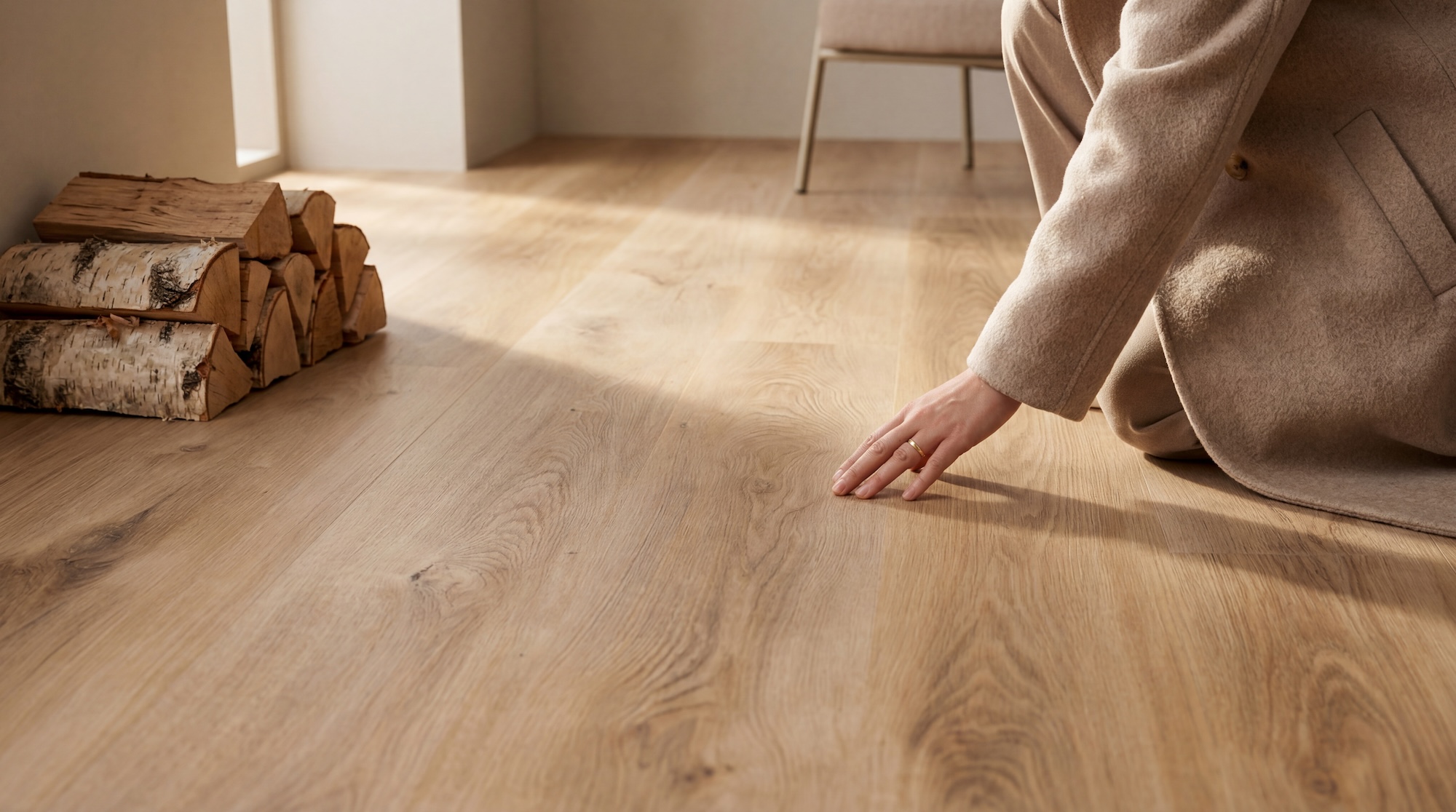
French oak flooring has captured the hearts of Sacramento homeowners who crave that effortlessly elegant European aesthetic. But here is the uncomfortable truth that most flooring showrooms will not tell you: not all French oak is created equal, and some products that look stunning in the store will leave you deeply disappointed within just a few years.
After installing countless French oak floors throughout the Sacramento region, we have seen firsthand which constructions stand the test of time and which ones crack, warp, and lose their luster far too quickly. This guide pulls back the curtain on what separates exceptional French oak from the pretenders, so you can invest confidently in flooring that actually delivers on its promise.
Understanding French Oak Construction Types
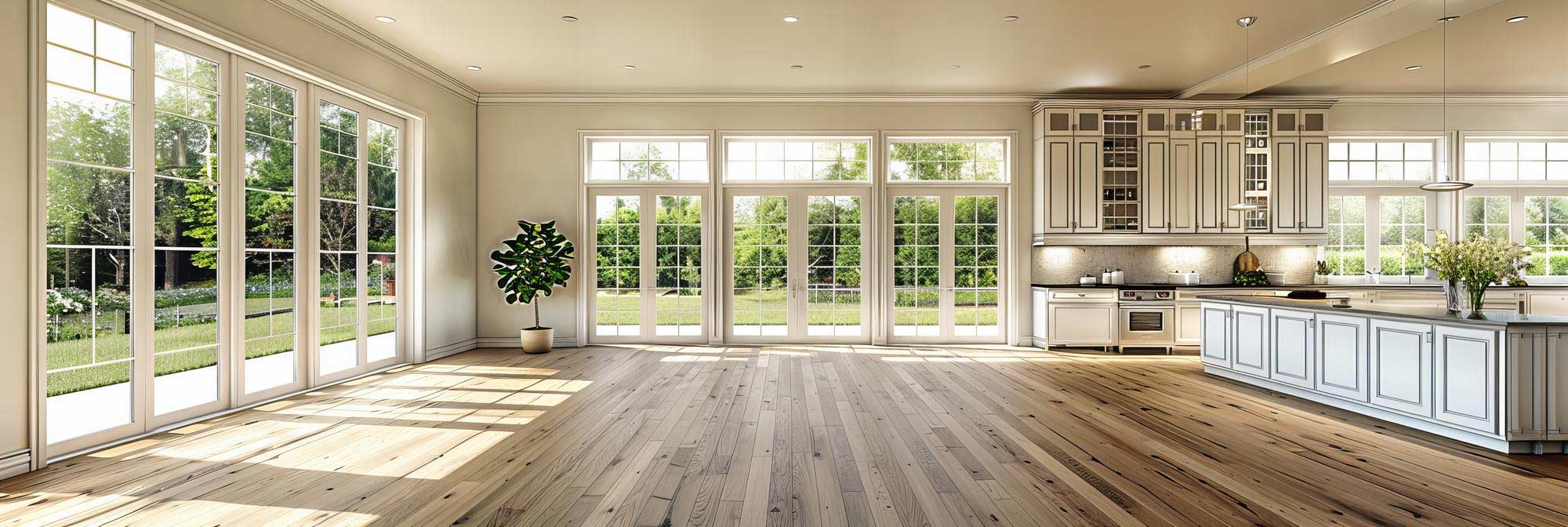
French oak refers to wood harvested from specific oak species grown in France, known for their tight grain patterns and exceptional durability. However, how that wood gets processed and constructed into flooring planks matters just as much as the raw material itself. The construction method determines everything from how the floor handles Sacramento's seasonal humidity swings to how many times it can be refinished over its lifetime.
You will encounter three main construction types when shopping for French oak: solid hardwood, engineered with a thick wear layer, and engineered with a thin veneer. Each has distinct advantages and vulnerabilities that directly impact performance in real world conditions. Understanding these differences before you buy can save you thousands of dollars and years of frustration.
Solid French Oak
Traditional solid planks milled from a single piece of French oak offer maximum refinishing potential and a substantial feel underfoot. However, they require careful climate control and professional installation to prevent warping in Sacramento's variable conditions.
Thick Wear Layer Engineered
Engineered planks with 4mm or thicker French oak wear layers combine stability with long term refinishing capability. This construction handles humidity fluctuations exceptionally well while still delivering authentic hardwood character.
Thin Veneer Engineered
Budget engineered options featuring wear layers under 2mm look beautiful initially but cannot be refinished and show wear quickly. These products often disappoint homeowners expecting the longevity associated with French oak's premium reputation.
Your French Oak Quality Checklist
- Verify the exact wear layer thickness in millimeters before purchasing
- Request documentation confirming authentic French origin of the oak
- Check the core construction material for dimensional stability
- Examine the finish for UV protection and scratch resistance ratings
- Ask about the manufacturer warranty and what it actually covers
- Inspect sample boards for consistent grain pattern and coloring
- Confirm the click lock or tongue and groove system quality
- Research the brand reputation through independent customer reviews
- Test samples in your home for color accuracy under your lighting
- Verify the recommended acclimation period for Sacramento conditions
Note: The most reliable French oak products come from manufacturers who openly share their construction specifications, including wear layer thickness, core materials, and finish details. If a company hesitates to provide this information, consider it a warning sign.
Get Expert French Oak Installation
Our Sacramento flooring specialists help you select French oak that matches your lifestyle and budget, then install it with precision for lasting beauty.
(279) 800-4666Frequently Asked Questions About French Oak Flooring

Hi, we’re AmArtePlus Flooring & Remodeling
Hi, we are AmArtePlus. A growing family-owned construction business focused on quality, trust, and clean results. Contact us today. We’ll visit your project, go over the best options, and provide a clear, honest estimate.