Can Flooring Be Installed Over Radiant Heat Systems?
AmArtePlus Flooring & Remodeling
AmArtePlus Flooring & Remodeling Guide
You've invested in radiant floor heating for that luxurious warmth underfoot, but now you're wondering which flooring materials will actually work with your system. This is one of the most common questions we hear from homeowners, and the good news is that you have more options than you might think.
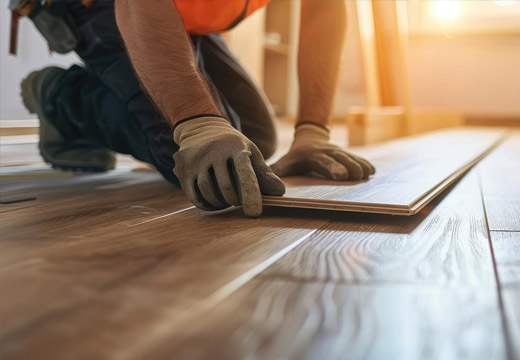
The key lies in understanding how different materials conduct heat and how installation techniques need to adapt to temperature fluctuations. In this comprehensive guide, we'll walk you through everything you need to know about pairing your radiant heat system with beautiful, long lasting flooring that performs exactly as it should.
Understanding How Radiant Heat Affects Your Flooring Choices
Radiant heat systems work by warming your floor from below, which means whatever material sits on top becomes a conductor for that warmth. Some materials transfer heat efficiently while others act as insulators, blocking the warmth you're paying to generate. This fundamental principle should guide every flooring decision you make.
Temperature fluctuations also play a critical role in material selection. As your radiant system cycles on and off, your flooring expands and contracts repeatedly over time. Choosing materials that handle this thermal movement without warping, cracking, or creating gaps is essential for a beautiful floor that lasts for decades.
Tile and Stone
Ceramic, porcelain, and natural stone are the gold standard for radiant heat compatibility. These materials conduct heat beautifully and remain completely stable through temperature changes.
Engineered Hardwood
Unlike solid hardwood, engineered wood features a layered construction that resists warping from heat exposure. Look for products specifically rated for radiant heat applications.
Luxury Vinyl Plank
Modern LVP products designed for radiant systems offer excellent heat transfer and dimensional stability. Always verify the manufacturer's temperature limits before installation.
Your Complete Radiant Heat Flooring Installation Checklist
- Verify your flooring material is manufacturer approved for radiant heat use
- Check the maximum temperature rating and ensure your system stays within limits
- Calculate total R value of flooring plus underlayment to confirm heat transfer efficiency
- Run your radiant system for at least 48 hours before installation begins
- Gradually increase floor temperature over several days before flooring arrives
- Acclimate flooring materials in the room for the time specified by the manufacturer
- Use only underlayments specifically designed for radiant heat applications
- Ensure proper expansion gaps around all perimeter edges and transitions
- Document temperature settings and system operation for warranty purposes
- Wait the recommended period before turning heat back on after installation
Note: Never skip the acclimation period for your flooring materials. Rushing this step is the number one cause of installation failures over radiant heat systems, and most warranties require documented acclimation before coverage applies.
Ready for Expert Installation Advice?
Our flooring specialists have years of experience installing over radiant heat systems. Schedule a free consultation to discuss your project and get personalized recommendations.
(279) 800-4666Frequently Asked Questions About Radiant Heat and Flooring

Hi, we’re AmArtePlus Flooring & Remodeling
Hi, we are AmArtePlus. A growing family-owned construction business focused on quality, trust, and clean results. Contact us today. We’ll visit your project, go over the best options, and provide a clear, honest estimate.