SPC vs LVP: What the Real Difference Means for You
AmArtePlus Flooring & Remodeling
AmArtePlus Flooring & Remodeling Guide
You've probably heard contractors and salespeople toss around SPC and LVP like they mean the same thing. They don't, and understanding the distinction could save you from a flooring disaster that costs thousands to fix.
Both products look similar on the surface, but their core construction changes everything about durability, installation requirements, and long term performance. Sacramento homeowners face unique challenges with our hot summers and variable subfloors, making this choice even more critical for lasting results.
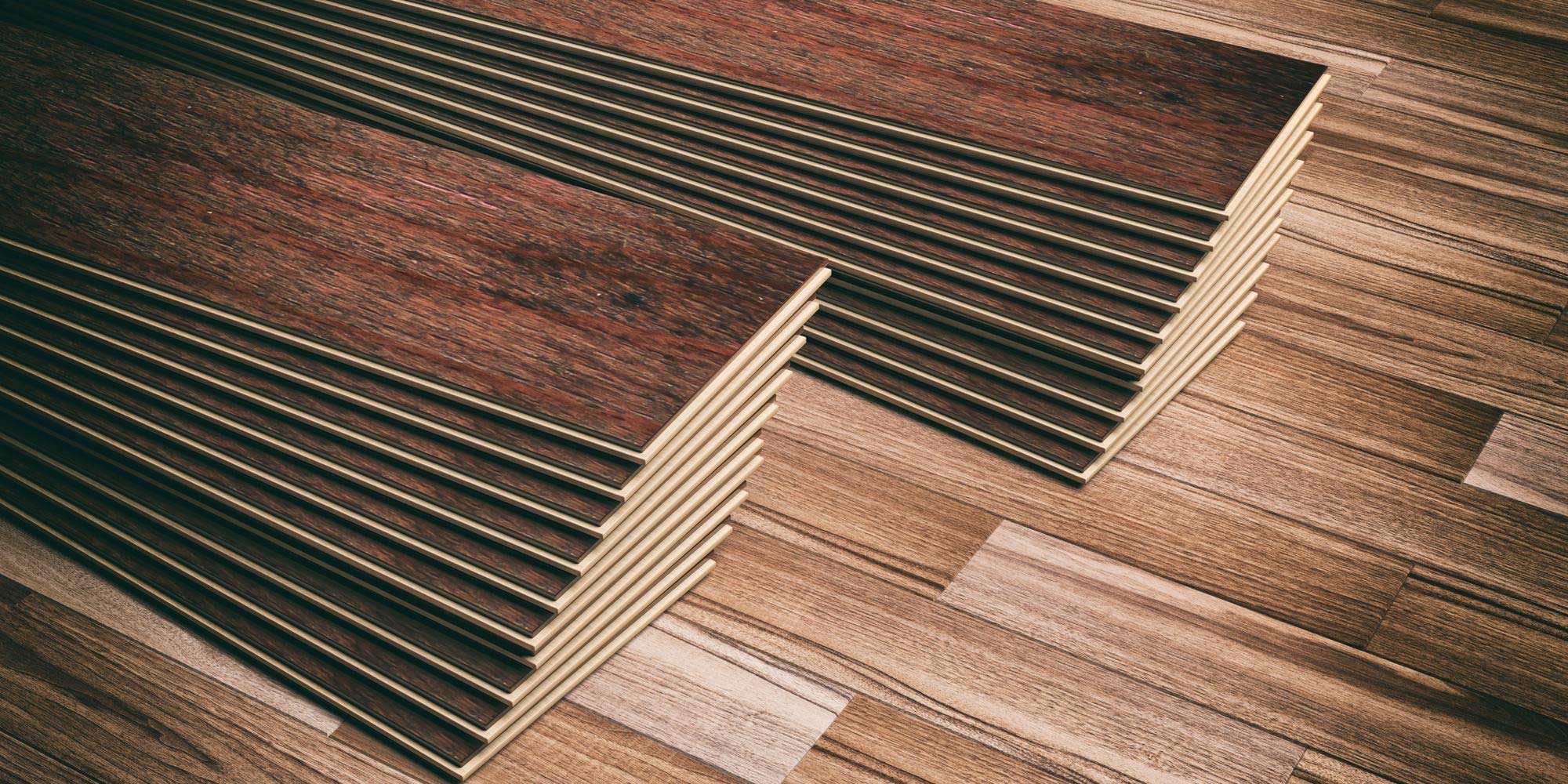
Understanding the Core Construction That Sets Them Apart
LVP stands for Luxury Vinyl Plank, and it features a flexible core made primarily from vinyl and plasticizers. This flexibility made it revolutionary when it first hit the market because it could adapt to minor subfloor imperfections without telegraphing every bump through the surface.
SPC means Stone Plastic Composite, and the name tells you exactly what makes it different. The core contains limestone powder mixed with stabilizers, creating a rigid plank that feels more substantial underfoot and handles temperature swings without expanding or contracting like traditional LVP.
Rigidity Factor
SPC cores are roughly four times denser than standard LVP cores. This density translates to superior dent resistance and better performance over imperfect subfloors.
Temperature Stability
Sacramento summers push indoor temperatures high, especially in rooms with large windows. SPC maintains dimensional stability in conditions that would cause LVP to buckle or gap.
Installation Flexibility
Both products float over existing floors, but SPC handles direct sunlight installations without requiring additional expansion gaps. This simplifies installations in sunrooms and south facing living areas.
Your Decision Checklist for Choosing the Right Product
- Assess your subfloor condition for levelness within 3/16 inch per 10 feet
- Measure direct sunlight exposure in installation areas throughout the day
- Calculate the total square footage of continuous flooring runs
- Check if your home has radiant floor heating systems
- Evaluate foot traffic patterns and heavy furniture placement
- Consider moisture levels in basements or ground floor rooms
- Review manufacturer warranties for your specific use case
- Compare wear layer thickness between products you're considering
- Factor in underlayment requirements and costs
- Request samples to test in your actual lighting conditions
Note: The most expensive flooring isn't always the best choice for your situation. Matching product specifications to your home's actual conditions matters more than brand names or price points.
Get Expert Guidance on Your Flooring
Our Sacramento team evaluates your specific conditions and recommends the right product for lasting performance. Schedule your free consultation today.
(279) 800-4666Common Questions About SPC and LVP Flooring

Hi, we’re AmArtePlus Flooring & Remodeling
Hi, we are AmArtePlus. A growing family-owned construction business focused on quality, trust, and clean results. Contact us today. We’ll visit your project, go over the best options, and provide a clear, honest estimate.